Tips to Beat the summer heat
01 May 2025
Dr. Baishakhi Chandra
Senior Medical Officer
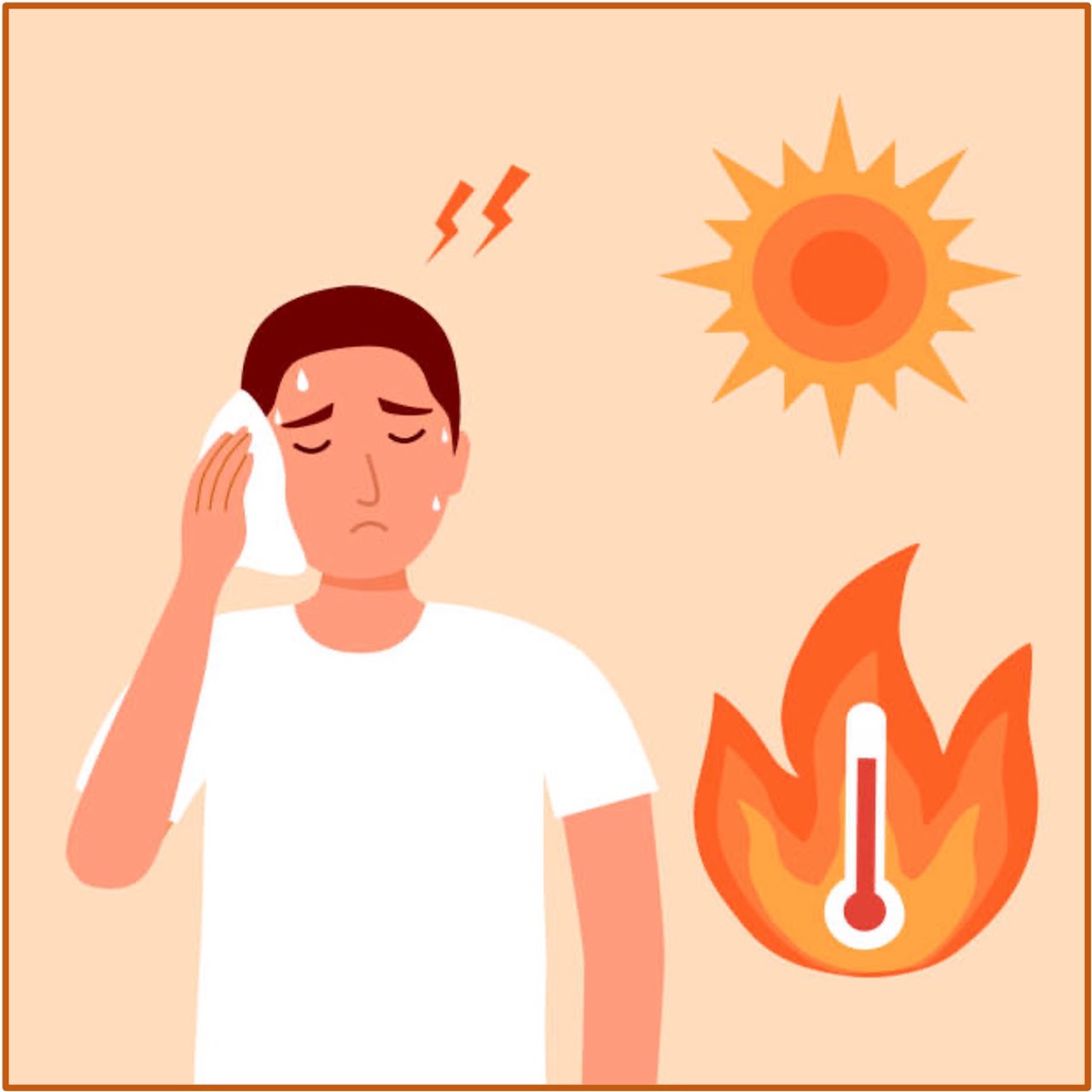
What are the Impacts of extreme heat?
- Heat cramps - painful muscle cramps and spasms that occur during or after intense exercise and sweating in high heat.
- Heat exhaustion – due to loss of water and salt in the body and body can't cool itself correctly. If left untreated, it can progress to heat stroke.
- Heat stroke - when the body's heat-regulating system is overwhelmed by excessive heat. The skin may be dry if the ability to sweat has been lost. It's a life-threatening emergency and needs immediate medical care.
What is Heat stroke?
- Heatstroke occurs when your body temperature rises rapidly and body can’t cool itself down.
- Heatstroke, also called sunstroke, is the most severe form of hyperthermia, or heat-related illness.
- It’s a life-threatening condition that happens when your body temperature rises above 104 degrees Fahrenheit (40 degrees Celsius).
- It may be caused by strenuous activity in the heat or by being in a hot place for too long.
- Especially likely to affect older people, people who have health problems, and young children and babies.
- Heatstroke can lead to brain damage, organ failure or death.
- Unless treated immediately, heat stroke can have fatal consequences.
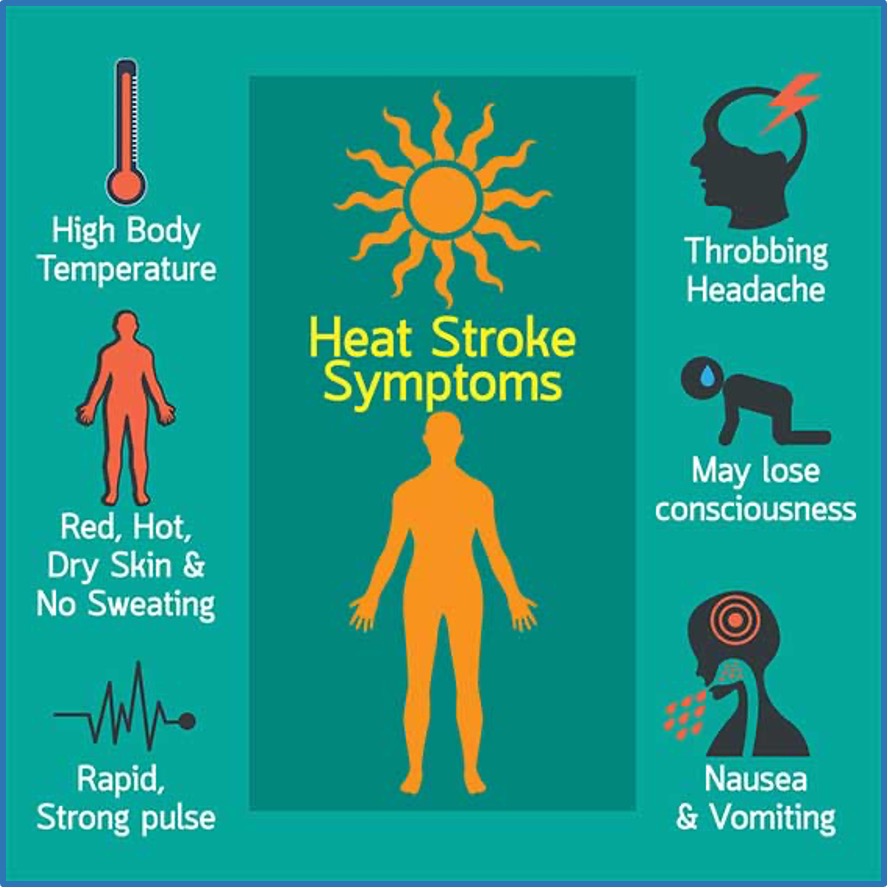
Heatstroke signs and symptoms:
- Fever of 104 degrees Fahrenheit (40 degrees Celsius) or greater.
- Changes in mental status or behavior, such as confusion, agitation and slurred speech, irritability, delirium.
- Alteration in sweating. Hot, dry skin or heavy sweating.
- Nausea and vomiting. You may feel sick to your stomach or vomit.
- Flushed skin. Your skin may turn red as your body temperature increases.
- Rapid breathing. Your breathing may become rapid and shallow.
- Racing heart rate. Your pulse may significantly increase.
- Headache. Your head may throb.
- Fainting, seizures or coma.
Health tips: Prevention is the definitive treatment for heat stroke!
- Drink sufficient water as often as possible, even if not thirsty.
- Wear light weight, light-colored, loose, cotton clothes.
- Use protective goggles, umbrella/hat while going out in sun.
- While travelling, carry water with you.
- If you work outside, use a hat or an umbrella and also use a damp cloth on your head, neck, face and limbs.
- Use ORS, coconut water, homemade drinks like lemon water, buttermilk, etc. which help to re-hydrate the body.
- Keep animals in shade and give them plenty of water to drink.
- Use fans, damp clothing and take bath in cold water frequently.
- Schedule strenuous jobs to cooler times of the day.
- If you feel faint, lie down and raise your legs above your head. Go to a cool area and drink fluids as soon as possible.
DONT’s:
- Avoid going out in the sun, especially between 12.00 noon and 3.00 p.m.
- Avoid wearing dark, heavy or tight clothing.
- Avoid strenuous activities when the outside temperature is high. Avoid working outside between 12 noon and 3 p.m.
- Avoid cooking during peak hours. Open doors and windows to ventilate cooking area adequately.
- Do not leave children or pets in parked vehicles.
- Avoid fluids containing either caffeine or alcohol, because both substances can make you lose more fluids and worsen heat exhaustion.
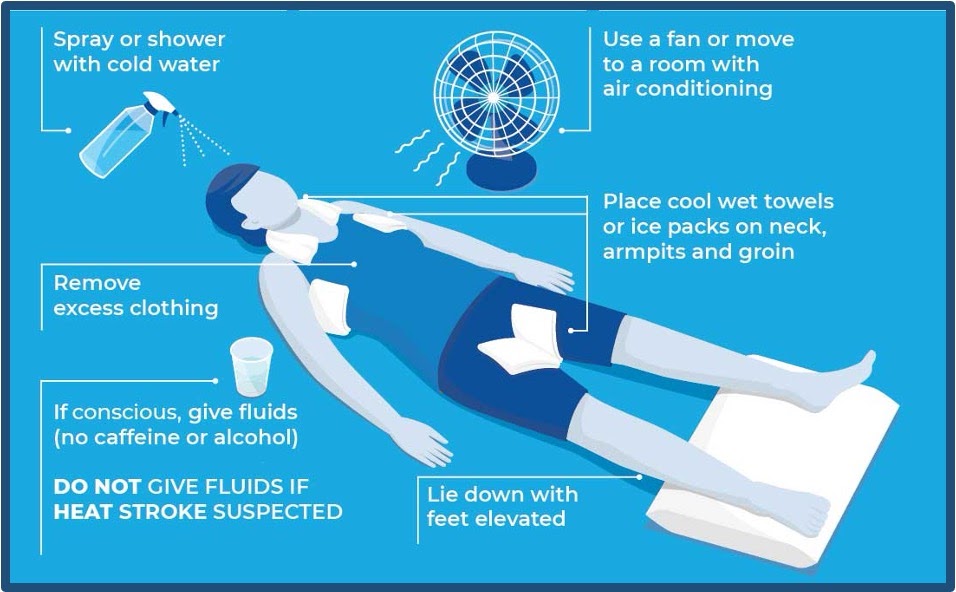
Heatstroke is a medical emergency, how to respond in need:
- If you suspect a person may be experiencing heatstroke, seek immediate medical help, take the victim to a hospital immediately.
- While waiting for emergency treatment, take immediate action to cool the overheated person
- Get the person into shade or indoors.
- Remove excess clothing.
- Cool the person — sponge with cool water, fan while misting with cool water, or place ice packs or cold, wet towels on the person's head, neck, armpits and groin.
- If the person is fully conscious, give cold water/ fluid to drink.
- Do not give the person anything to drink in Heatstroke, if not fully conscious – patient may aspirate!